
Understanding the psychology of gambling what drives our bets
The Allure of Gambling
The allure of gambling can be traced back centuries, rooted in human nature’s fascination with risk and reward. For many, the thrill of placing a bet ignites a powerful adrenaline rush that feels invigorating. This rush often overshadows the potential consequences of gambling, encouraging players to chase that elusive big win. The anticipation before the outcome creates a suspenseful experience that heightens emotional engagement, making the act of betting feel almost exhilarating. Many players find themselves drawn to Kinghills Casino for that very reason.
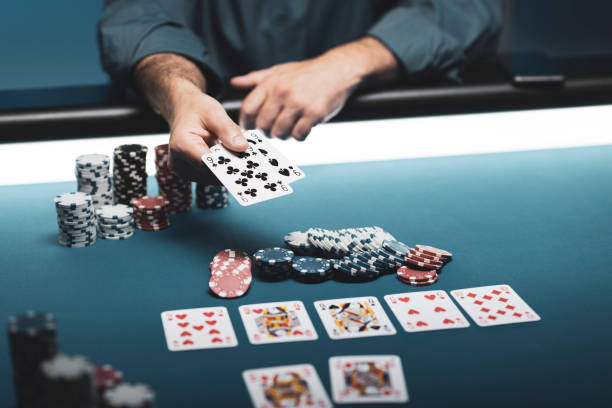
Moreover, the social aspect of gambling contributes to its appeal. Many people visit casinos not solely for the games, but for the camaraderie and shared excitement with fellow players. This communal experience fosters a sense of belonging, where players exchange stories, strategies, and celebrate wins together. This social reinforcement can make gambling feel more acceptable, normalizing the behavior and making it harder to resist, even for those who may be aware of the risks involved.
Additionally, the environment of casinos, whether online or physical, is meticulously designed to enhance the gambling experience. Bright lights, engaging sounds, and the thrill of winning all create a sensory overload that keeps players coming back for more. These elements are strategically implemented to keep individuals engaged and distracted from their losses, perpetuating a cycle of continued play. This carefully crafted ambiance is integral to understanding what drives people to gamble.
Cognitive Biases in Gambling
Cognitive biases play a significant role in how individuals perceive gambling outcomes. One prevalent bias is the “gambler’s fallacy,” where players believe that past outcomes influence future results. For example, a player may think that a slot machine is “due” for a win after a series of losses. This faulty reasoning can lead individuals to make irrational bets, increasing their risk while underestimating the randomness inherent in gambling.
Another cognitive bias is the illusion of control, where gamblers believe they can influence the outcome of games that are fundamentally based on chance. This belief often manifests in games like poker, where players may think their skills can outweigh luck. Such misperceptions can lead players to engage in riskier behaviors, convinced that they possess an edge that will ultimately bring them success.
Lastly, the concept of near misses—when players come close to winning but ultimately lose—can also reinforce gambling behavior. Near misses can trigger feelings of excitement and optimism, prompting players to believe that they are on the verge of a breakthrough. This emotional response can create a cycle of continued betting as players feel encouraged to try their luck again, ignoring the reality of the odds stacked against them.
The Role of Emotional and Psychological Factors
Emotions significantly influence gambling behavior. For many, gambling serves as an escape from the stresses of daily life, providing a temporary reprieve from their problems. The excitement of gambling can distract individuals from negative feelings, leading them to perceive it as a form of entertainment rather than a risky activity. This coping mechanism can be particularly problematic, as it may lead individuals to gamble more frequently as a way to cope with underlying issues.
Furthermore, the psychological concept of reinforcement is crucial in understanding gambling behavior. Positive reinforcement occurs when a player wins, creating a cycle that reinforces the desire to gamble. The intermittent nature of rewards in gambling—where wins are unpredictable—can make the experience even more addictive. Each win, no matter how small, serves as a powerful motivator, compelling players to continue seeking that rewarding feeling.
The desire for social status and validation can also drive gambling behavior. In some cultures, successfully gambling is viewed as a sign of skill or luck, leading individuals to seek out gambling as a way to enhance their social image. This desire for recognition can push individuals to take on larger bets than they might otherwise consider, resulting in potentially harmful consequences as they chase not only monetary gains but also social validation.
Myths and Misconceptions About Gambling
Despite the popularity of gambling, several myths persist that can mislead players and contribute to irresponsible behavior. One common misconception is that certain games have better odds than others. For instance, many believe that playing blackjack is inherently more advantageous than playing slot machines, which is not always the case. Understanding the true odds and house edge of various games is essential to making informed decisions and avoiding misconceptions that could lead to unwise betting.
Another prevalent myth is that gambling is a viable way to make money. Many individuals enter casinos or online platforms with the expectation of winning substantial amounts, not recognizing that gambling is designed to favor the house. This illusion can result in significant financial losses, as players chase losses, thinking that they can eventually turn their luck around. It is crucial for players to understand that gambling should be viewed primarily as entertainment rather than a source of income.
Lastly, the myth that only certain types of people become problem gamblers can contribute to stigma and a lack of understanding about the issue. In reality, anyone can develop gambling problems, regardless of age, gender, or socioeconomic background. This misconception can prevent individuals from seeking help or support when needed, as they may believe they do not fit the stereotype of a “typical” problem gambler. Educating the public about the realities of gambling can help foster a more supportive environment for those struggling with addiction.
KingHills Casino: A Safe Gambling Experience
KingHills Casino is committed to providing a safe and enjoyable gaming environment for players. With a vast selection of over 800 games from leading software providers, the platform offers an exciting variety that caters to every type of gambler. Whether players prefer slots, table games, or live casino experiences, KingHills ensures a diverse and engaging atmosphere for users to explore.
Furthermore, KingHills Casino emphasizes player safety through stringent regulations and a robust security system. Players can enjoy peace of mind knowing that their data is protected and that fair play is maintained across all games. The casino also provides extensive information on responsible gambling, ensuring that players are aware of the risks and can make informed decisions about their betting behavior.
Additionally, KingHills Casino offers a generous welcome bonus, coupled with ongoing promotions and a loyalty program that rewards players for their engagement. With exceptional customer support available, players can seek assistance whenever needed, fostering a trustworthy and player-friendly experience. This focus on player safety and satisfaction makes KingHills Casino an ideal choice for those looking to enjoy online gaming responsibly.